



Established in 1968, the NIAG provides a forum through which industry can help inform armaments cooperation, capability development and defence industrial policy. This year’s Plenary – hosted by the UK for the first time this century – provided an opportunity to demonstrate how industrial capability underpins military capability, and how collaboration between government, armed forces and industry can help translate innovation into operational advantage.
During the industry day in Portsmouth, Leonardo showcased several capabilities that address readiness and resilience, reflecting our long-standing work across advanced sensing, protection and autonomy.
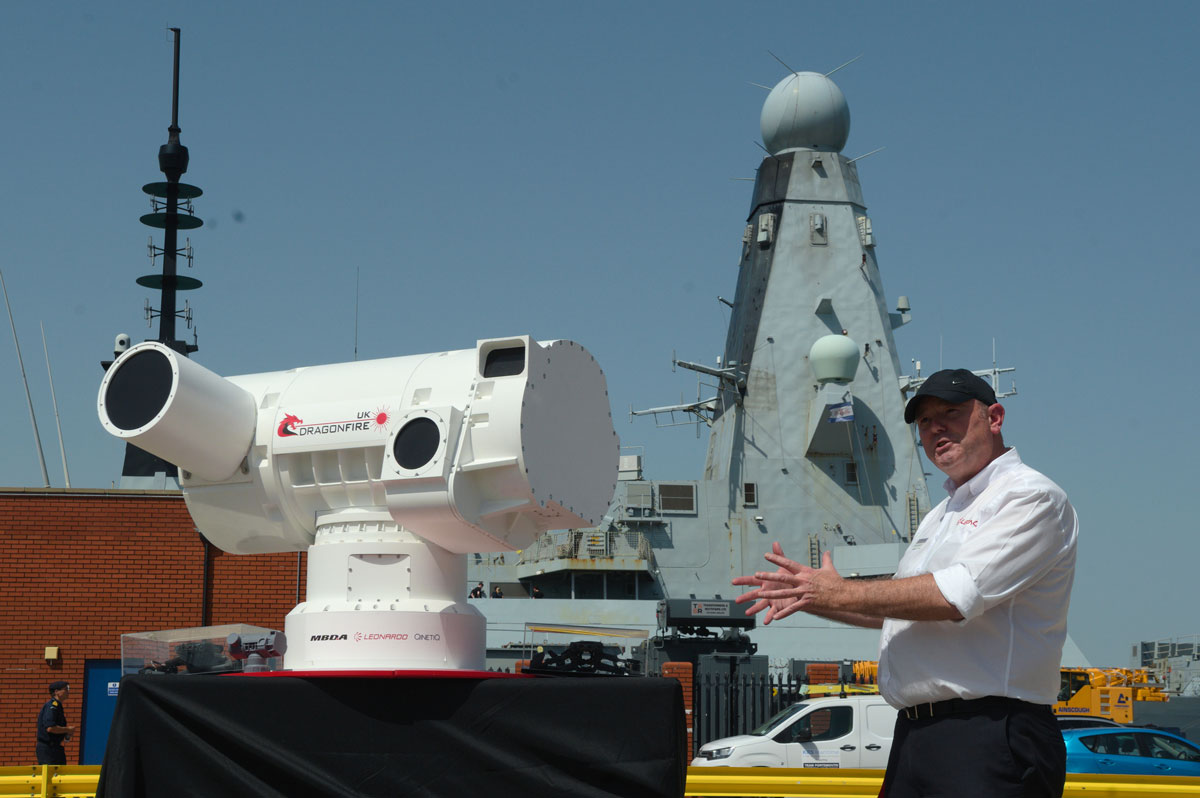
These included DragonFire, the UK Laser Directed Energy Weapon system, for which Leonardo provides the advanced beam director that enables the system to track and engage threats with precision as part of the UK consortium led by MBDA.
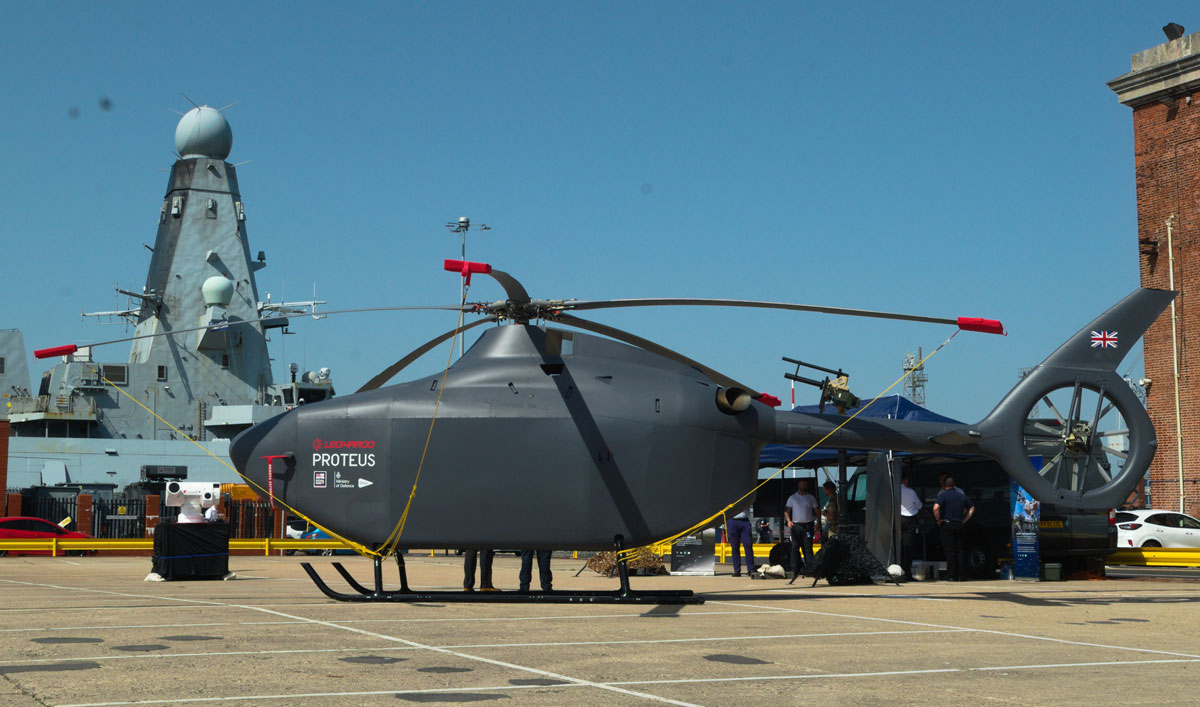
Also featured was Proteus, an autonomous rotary wing technology demonstrator being developed with the Royal Navy and National Armaments Director Group, which is advancing uncrewed maritime aviation and supporting future operational concepts with its first successful test flight at the start of this year.
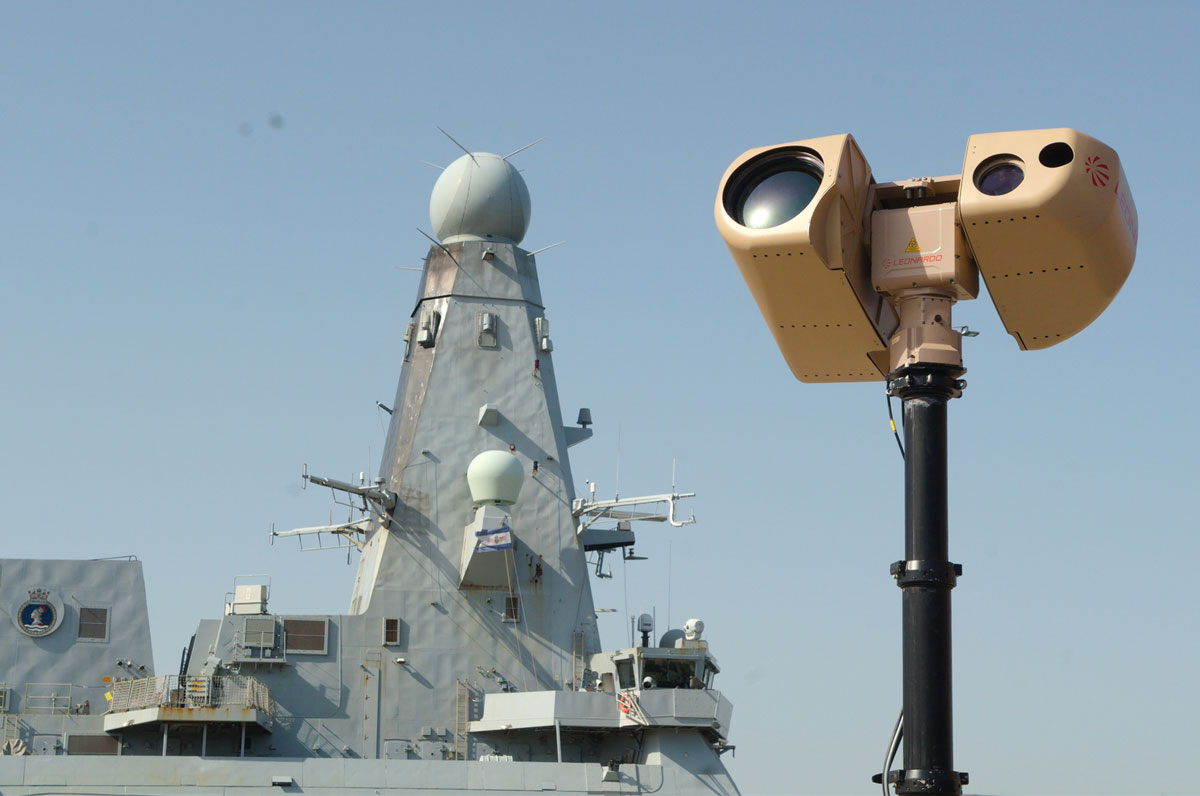
Leonardo’s Falcon Shield, a modular Counter Uncrewed Air System ecosystem, was also showcased. The UK military operates a version of Falcon Shield called Orcus which has seen extensive operational use in the UK and overseas since its inception. Orcus has protected critical defence assets and major public events, while also supporting work with NATO partners against the growing threat posed by rogue drones.
The NIAG Plenary comes at a time when the lessons learned from ongoing conflicts are helping shape Allied thinking around production capacity, interoperability, industrial depth and sustainment. For UK industry, the event is therefore more than a forum for discussion. Recent events have emphasised that autonomy, advanced sensing and electronic warfare are increasingly central to the modern battlefield, and that successful collaboration is essential if capability is to move at the speed required by today’s threat environment. Leonardo has also consistently framed its role as that of a systems integrator, working with customers, partners and the wider industrial base to bring deployable capability into service more rapidly.
Leonardo continues to develop and deliver capabilities in response to evolving operational demands while supporting NATO and its partners with the technologies needed in more contested environments.