


Why did you decide to become an engineer?
I have always enjoyed building things and solving problems, so engineering felt like a natural direction for me. I was particularly interested in the electronics behind musical equipment, especially guitar effects pedals and that curiosity helped steer me towards electronics engineering.
How did you come to work at Leonardo and specifically in our Detectors team?
I joined Leonardo’s graduate scheme straight after completing my master’s degree. I was keen to stay in the local area, and the opportunity within the Detectors team immediately caught my attention. The role aligned closely with the practical and technical skills I wanted to develop as an engineer, while also offering the chance to work on technology with a broad range of applications.
What does a typical day look like in your role?
My primary role is designing the hardware electronics used to test our detectors, which means no two days are quite the same. I might be capturing requirements and writing specifications, developing and simulating schematics, designing PCB layouts or producing engineering drawings. I also take part in design reviews and spend time verifying PCBs using equipment such as oscilloscopes, multimeters and logic analysers. At other points, the work can be more hands-on, including soldering and re-routing boards to make modifications.
Where are the detectors you help create used?
The detectors we help create are used in some of the world’s most demanding space science and astronomy missions. Our infrared technology supports Earth observation, planetary science and deep-space astronomy, helping scientific instruments gather information that can lead to new insights about our planet and the wider universe.
The applications are not limited to space. Our detectors also support scientific processes such as infrared spectroscopy, as well as defence and security systems including aircraft protection, surveillance and thermal imaging. The same infrared technology also has civilian uses and has been used in cameras to film wildlife for nature documentaries, allowing crews to capture animals and behaviours that can be difficult to see with conventional cameras.
Are there any hobbies you take part in outside of your job?
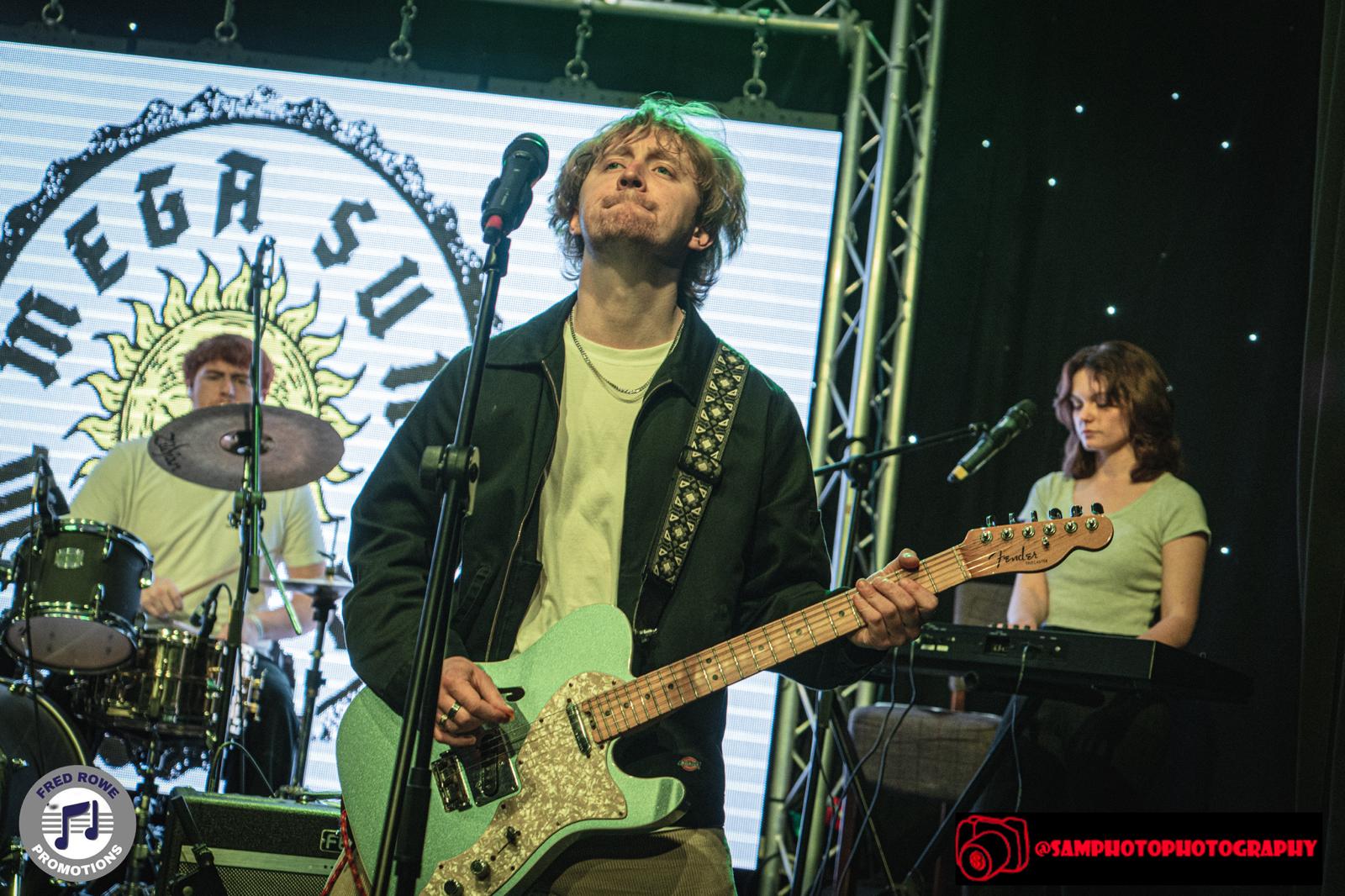
Outside work, I enjoy keeping active by playing tennis, golf and football. Music is another big interest of mine, particularly the electric guitar, which I enjoy performing with too.
What are your aspirations for the future?
Looking ahead, I want to continue broadening my engineering skill set and build greater confidence and competence across the tasks I undertake. I would also like to achieve chartered engineer status and, in time, progress into a management role within an engineering team.
Do you have any advice for the next generation of Engineers?
My advice would be to work hard and stay open-minded about where engineering could take you. There are many different disciplines to explore, so do not be afraid to try new areas until you find the one you enjoy most. It may not be the path you first imagined, and that is part of what makes engineering so interesting.