



The 90-minute special, celebrated Sir David’s groundbreaking career on the day of his 100th birthday. Royal Albert Hall audiences saw a striking on stage comparison between a vintage BBC camera associated with Sir David Attenborough’s earliest work and the modern imaging used by today’s crews, culminating in a live ‘thermal view’ sweep across the crowd on the venue’s big screen.
The moment required meticulous preparation and rapid execution, which is where Jake stepped in to support rehearsals and ensure the specialist camera settings were optimised for the presenter to operate live on stage.
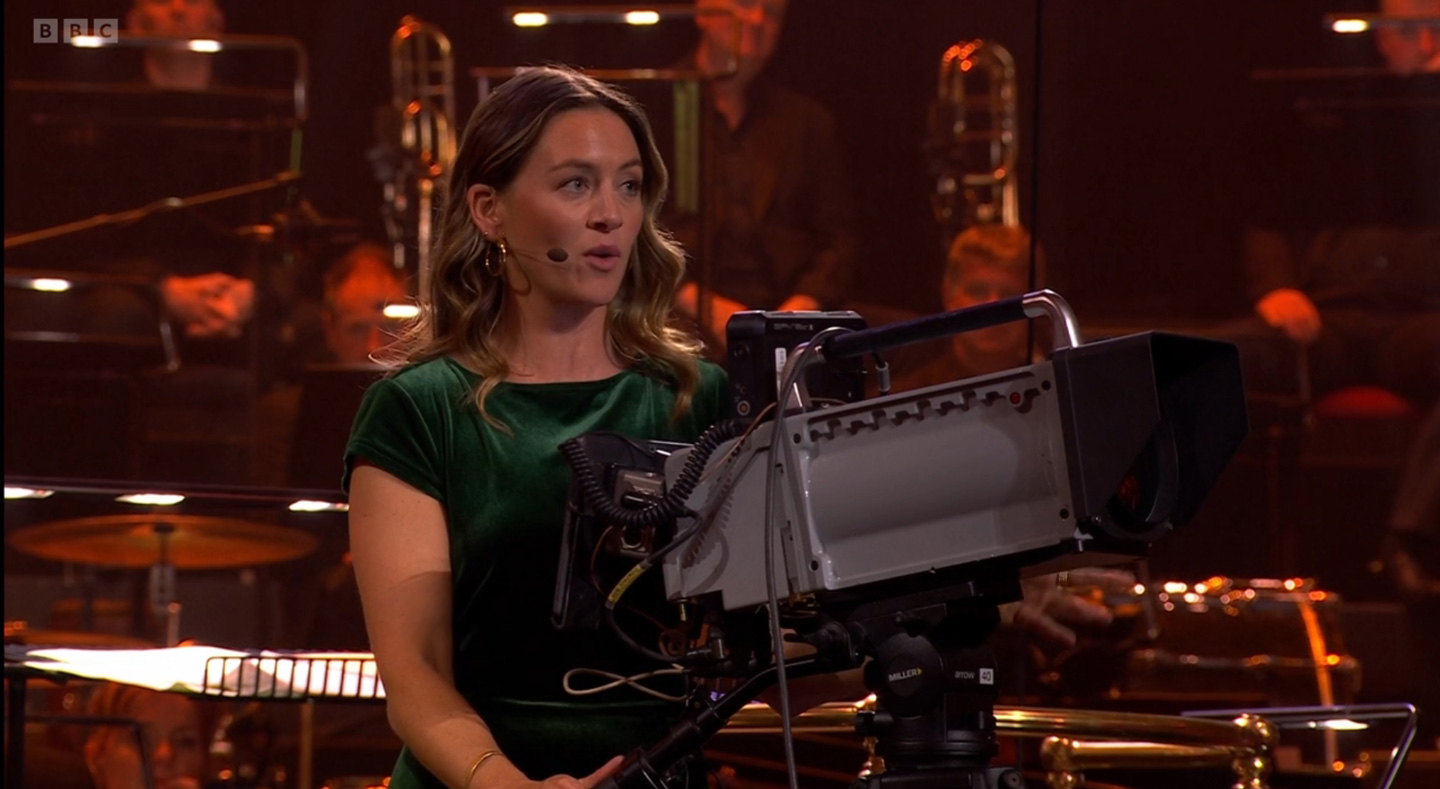
“I was brought in to help them with all the rehearsals, making sure the camera was ready to go and all the settings were correct, the contrast, the brightness, so all the presenter had to do was pan and zoom while talking,” said Jake.
With only a few days’ notice, Jake worked alongside the BBC team on the day of the show, helping to integrate the specialist thermal imaging feed with live broadcast equipment and supporting the crew to hit an exacting stage schedule.
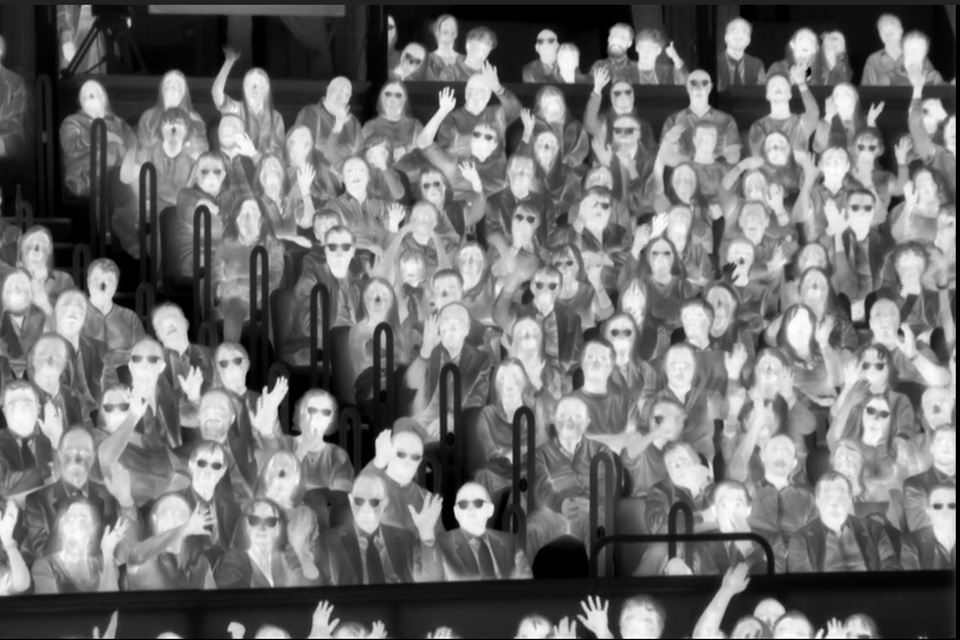
In one sequence, the presenter used the thermal view to pan across the audience and zoom to the balcony, including a playful on screen focus on Benedict Cumberbatch, before switching to a standard broadcast camera to show the difference between the two views.
For Jake, the experience offered a new perspective on how engineering supports storytelling at pace. “To see the Royal Albert Hall’s audience of 5,000 people through the thermal lens was a surreal moment for me, as it is normally tracking the nocturnal movements of a leopard or a tiger. I have watched David Attenborough since I was a child, and I feel deeply proud to have had a chance to support this celebration of his life. It helped me see that the engineering I am working on today can help more people see and protect the natural world,” he said.