



At the Ferranti factory (now Leonardo Edinburgh), women were the primary workforce behind the top-secret gyro gunsight, often cited as one of the war's most critical piece of technology.
The Supermarine Spitfire acted as a powerful catalyst for social change at the Edinburgh and Yeovil sites, transforming the lives of a first generation of women by opening up high-status, skilled engineering and manufacturing roles previously reserved for men.
During the dark days of World War 2, air warfare had changed. Aerial combat required more than courage, it necessitated agility and precision at high speeds. The solution was the Mark II Gyro Gunsight, a piece of technology so advanced it enabled pilots to aim accurately while manoeuvring.
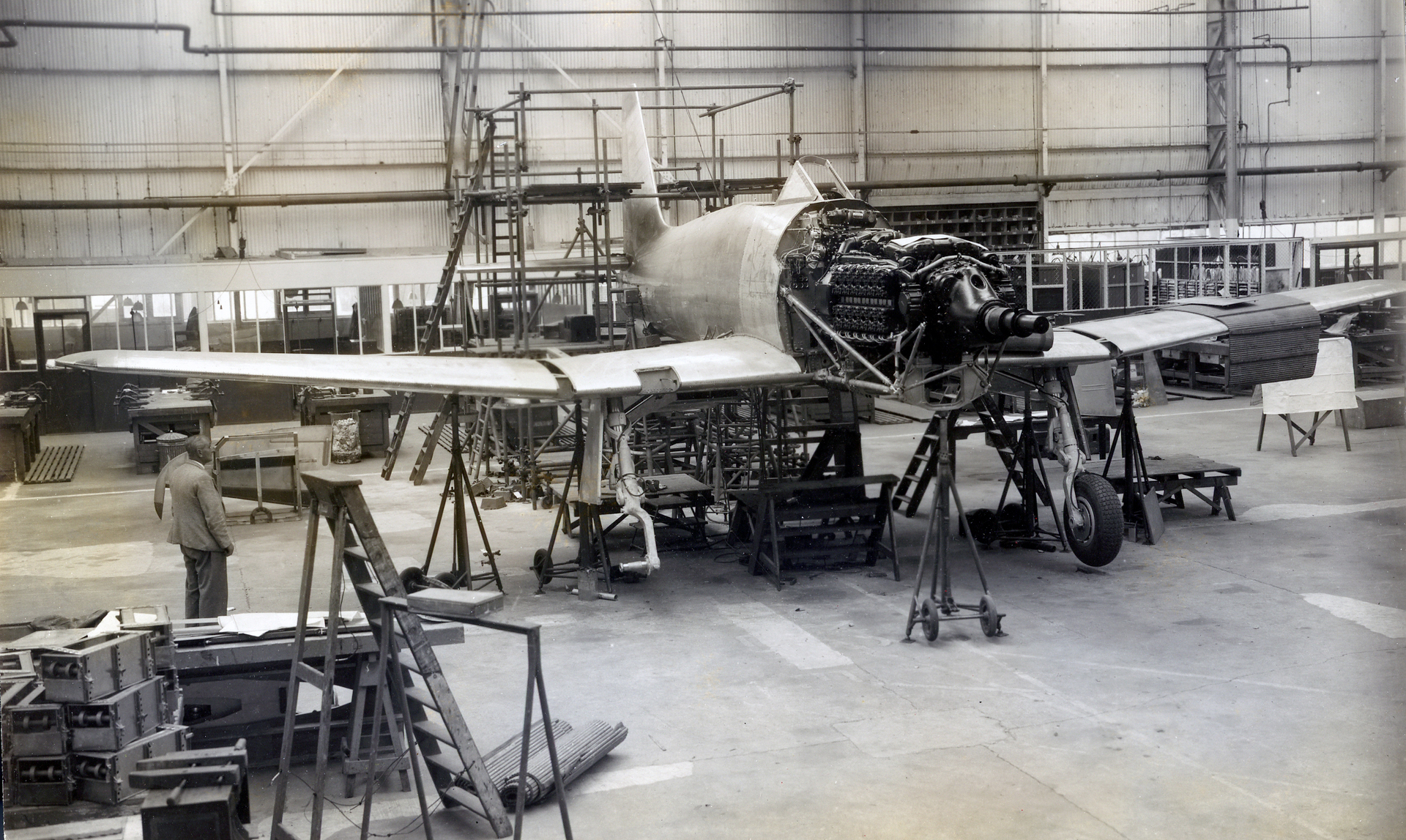
While Edinburgh provided the ‘eyes’ of the late model Spitfire, Yeovil provided the muscle with the production of robust air frames. The Yeovil site played a critical role in the Spitfire’s lifecycle, with a new generation of female engineers carrying out Spitfire repairs and modifications.
Damaged ‘Spits’ would be taken back to the West Country, where women worked around the clock to skin the fuselages and repair wings, so the planes could take to the skies again as quickly as possible.
Hundreds of women, many of whom had never set foot in a factory, flooded into the sites at Edinburgh and Yeovil, often moving from domestic or low-skilled work to mastering complex electronics assembly and precision engineering. They built over 50,000 gunsights, reaching production rates of 1,000 units per month. For many, this wasn't just a wartime job. The skills acquired established a skills base for female engineers in Scotland and Yeovil, leading to multiple generations of women pursuing lifelong careers at the company.
These women were at the heart of what the Daily Express in 1944 called "one of Britain's great scientific achievements," shifting public perception of their technical capabilities.
At Westland Aircraft (now Leonardo Yeovil), women were essential to the mass production of nearly 2,200 Spitfires and Seafires taking on roles ranging from riveting fuselage panels to intricate electrical wiring, tasks that required significant physical and technical endurance. The contribution of these ‘Homefront Heroines’ is remembered through local history trails and archives, marking the point where women entered the aerospace industry in significant numbers at the Yeovil site.
Jackie Moggridge, a prolific ATA pilot who flew more than 500 Spitfires said: “I was a pilot. That was all that mattered. The Spitfire didn’t know if I was a man or a woman; it only knew I could fly.”
In 1943, the British government approved equal pay for equal work for the women of the ATA, one of the first instances of this in the UK, directly linked to their vital role in delivering aircraft like the Spitfire. The work continues today to ensure equal pay for equal work, with the publication of Leonardo’s most recent Gender Pay Gap report, which reported an overall 10.58% reduction in its gender pay gap since reporting began in 2017.
Just as the Spitfire programme brought the first mass wave of women into the industry, Leonardo continues its work to draw more women into the industry, reporting a 3% increase in women joining its UK early careers programmes in 2025.