



Leonardo’s laser centre of excellence in Edinburgh produces technology that delivers pinpoint accuracy and unparalleled reliability for customers around the world. Our continued success and on-time deliveries have seen several supplier accolades and awards from major platform primes.
With lasers flying in major fixed wing and rotary wing platforms such as F35 and Apache, our pedigree is unrivalled and the technology, ground breaking. Leonardo is committed to the long-term success of its airborne laser systems and is working on improvements across capability, SWAP and cost of ownership.
Alongside developments in functionality for our airborne laser systems, Leonardo engineers are working hard along with colleagues at QinetiQ and MBDA to continue developing the DragonFire Laser Directed Energy system. Our background in high reliability laser systems and pointer tracker systems with highly accurate sightline stability and aim point refinement, all coalesce in supporting DragonFire’s development.
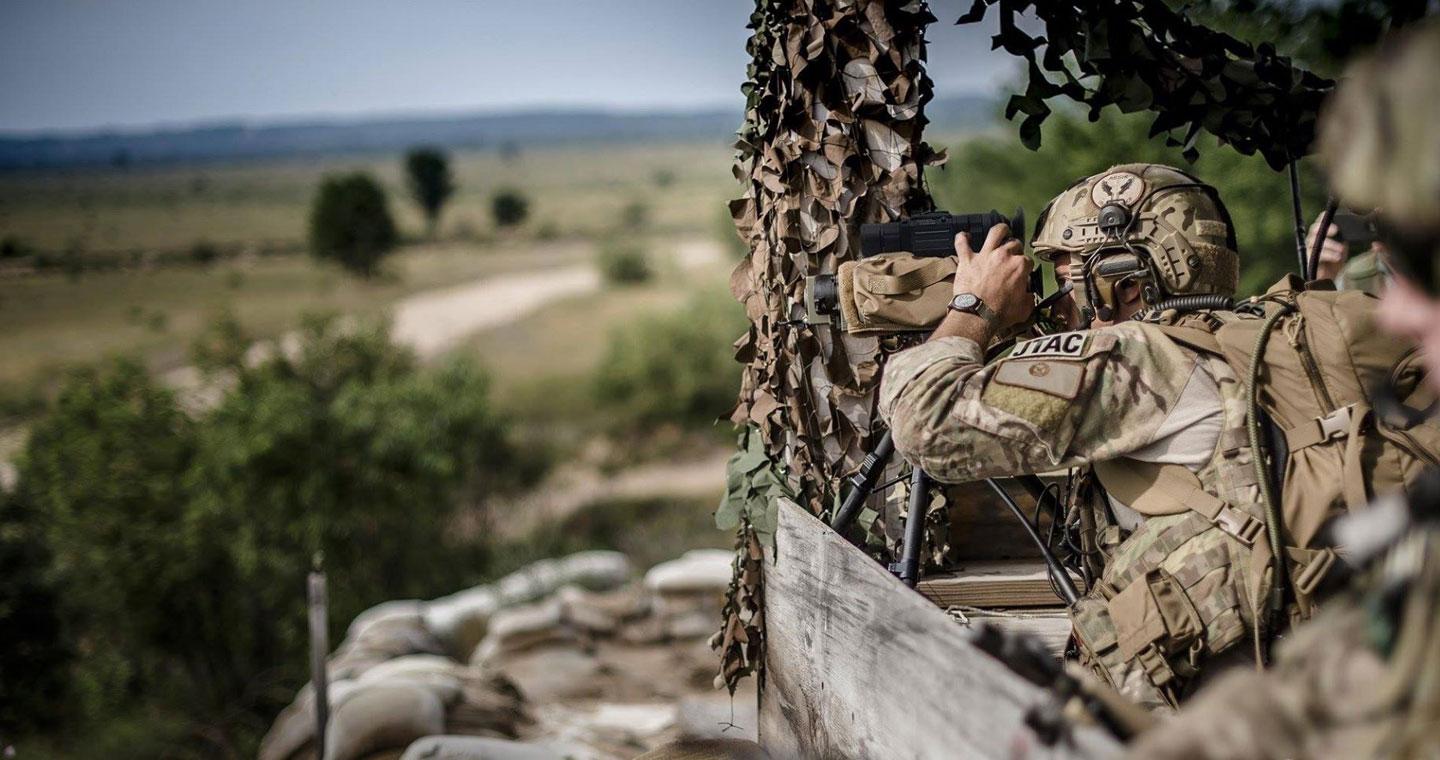
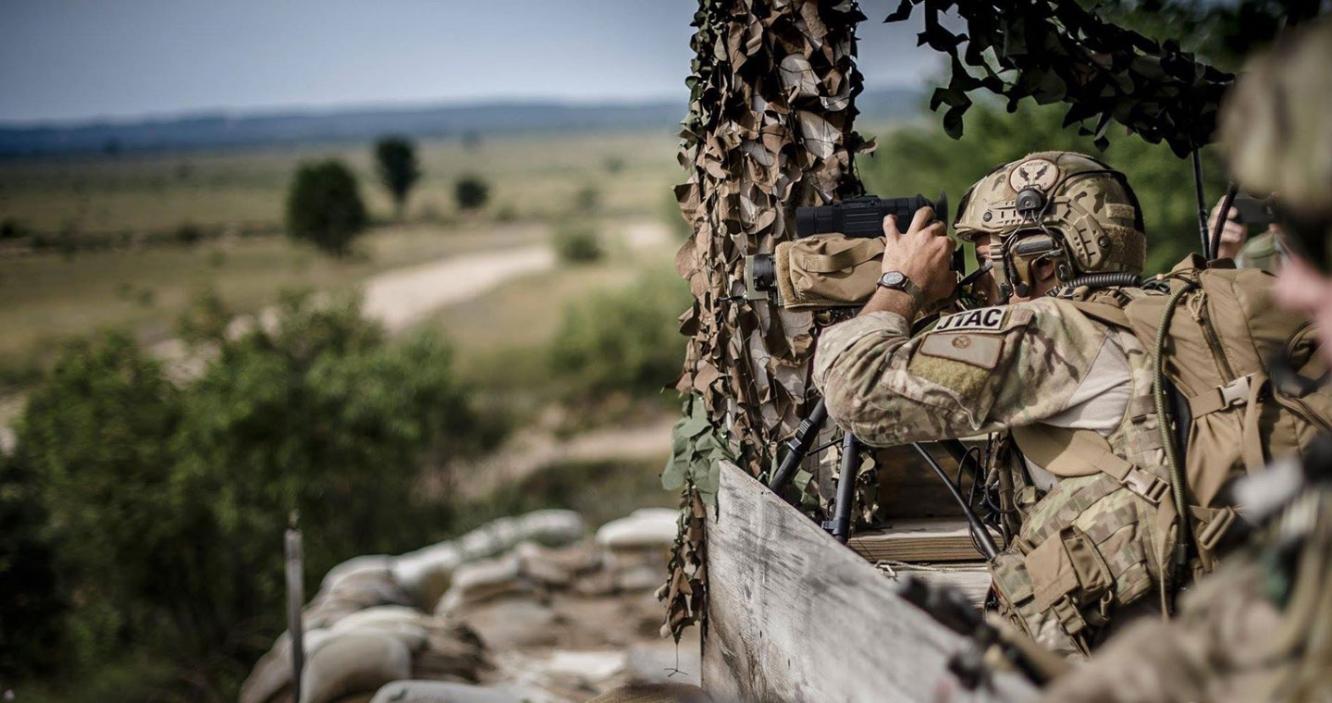
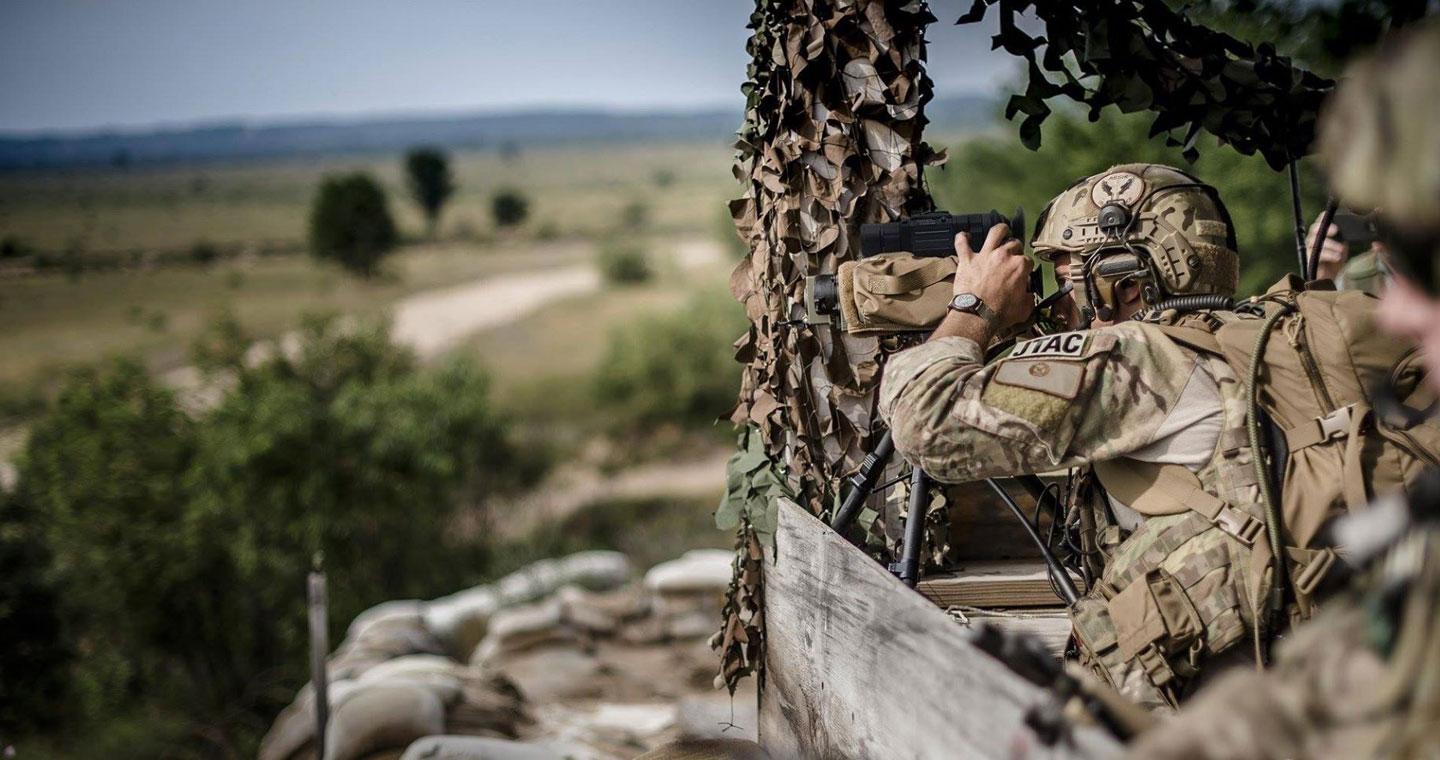
With over 1000 units of the Type 163 laser delivered to more than countries around the world, Leonardo has an active and vibrant user community that provides feedback and looks for enhancements. We always encourage users to contact us directly through the website or directly on the link below.
To meet ongoing demand, Leonardo has continued to invest to ensure Type 163 remains at the forefront of ground laser designators, increasing production rates and bringing a range of enhancements to the system.
“Type 163 has always offered the best combination of weight, power and beam quality, but we’re now seeing increasing needs to integrate Type 163 into digitised battlefields,” explains Gordon Steel, Campaign Manager for Type 163. “So we’ve increased the communications functionality to support remote and detached operations. We continue to work closely with systems integrators and field users alike to optimise the functionality offered.”
The range of enhancements cover not just communications to and from the system, but also hardware and cable interfaces to a range of complementary products and environments.
A cold weather enhancement package enables full operation at temperatures down to -50°C with no degradation of the battery capability. Furthermore, a range of training aids have been produced, including a digital training package that will support initial and ongoing training at minimal cost. These trainers will be available in any language required by the operator.
“We’re keen to ensure the user on the battlefield continues to get all the support they need,” adds Gordon. “These enhancements will continue to ensure operational advantage for our users, and we will work with all our partners to get these fielded as quickly as possible.”